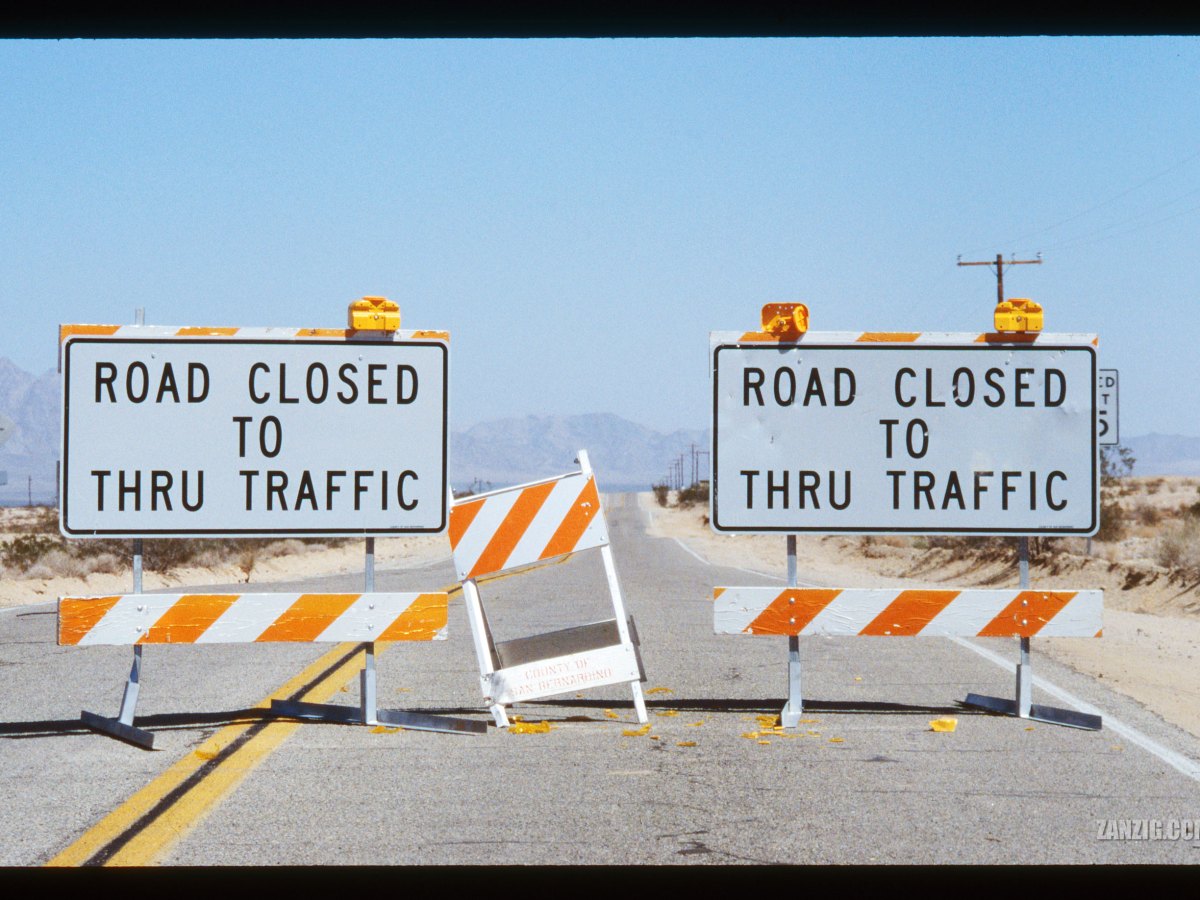
Road Closed To Thru Traffic
SEPTEMBER 2003 – Road signs near the Joshua Tree National Park, California, USA. © Mark Zanzig/zanzig.com The story behind the image Back in September 2021 the shock of the Corona crisis was over, but the restrictions to fight the pandemic were still in full swing, at least here in Germany. At that point I realized…
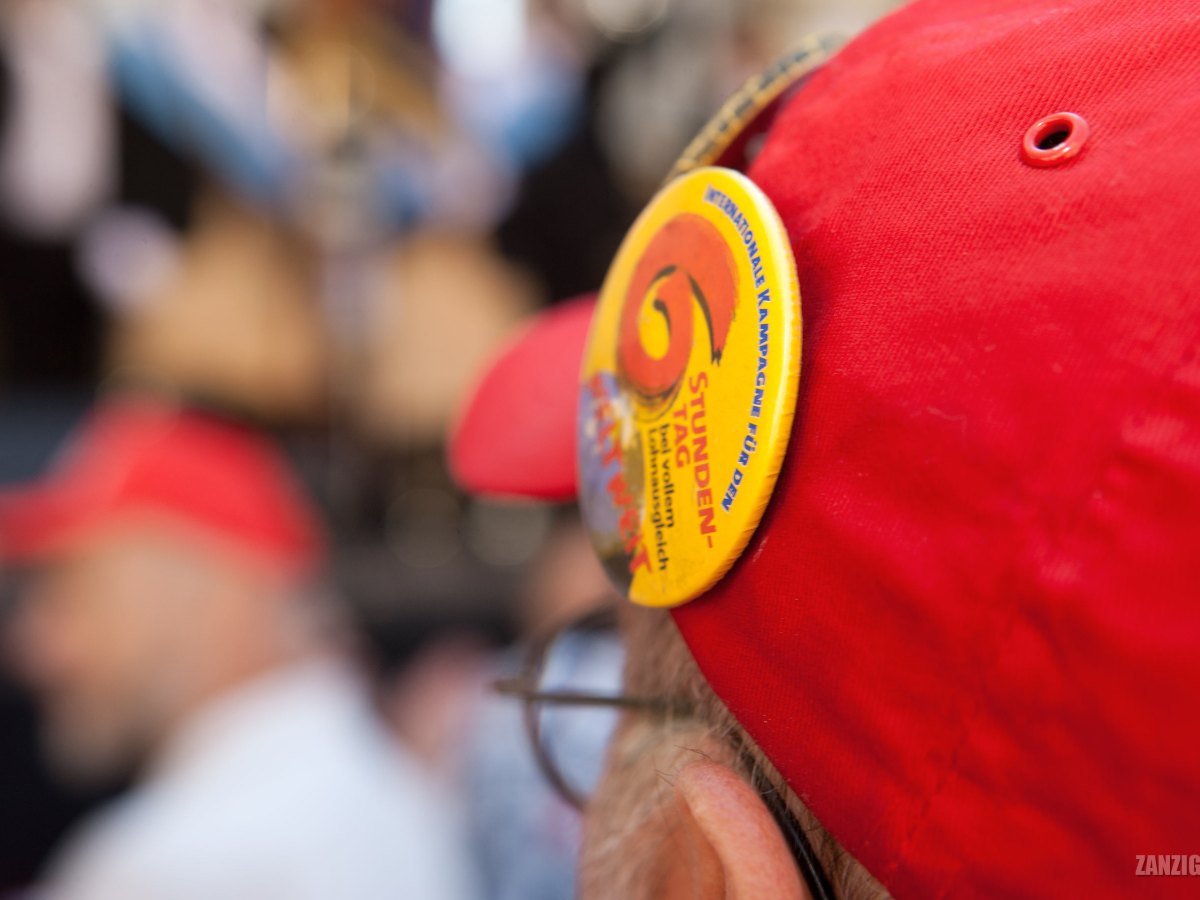
Labour Day Rally, Marienplatz, Munich, Germany, 2007
MAY 2007 – A participant of the traditional Labour Day meeting wears a baseball cap with a button promoting the idea of a ‘6 hour working day’. Photo © by Mark Zanzig/zanzig.com The story behind the image On Labor Day (1st May each year), German unions traditionally call for demonstrations across Germany. Almost 20 years…
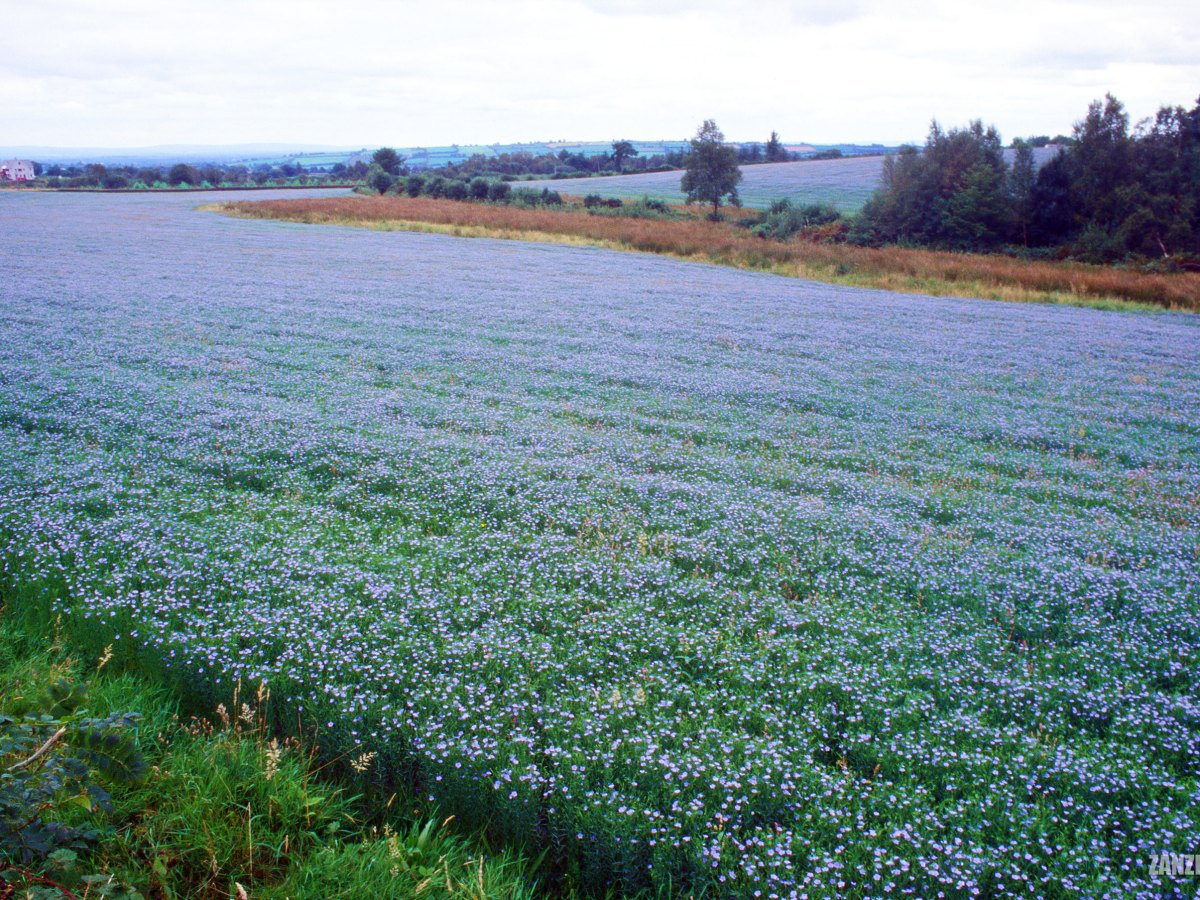
Sea of Flax, Ireland, 1999
SEPTEMBER 1999 – A huge field of Flax (Linum usitatissimum) somewhere on the countryside in Ireland. Photo © by Mark Zanzig/zanzig.com The story behind the image And then there are images that are impressive but I fail to remember where I captured them. This is even worse for framed slides that can easily lose even…
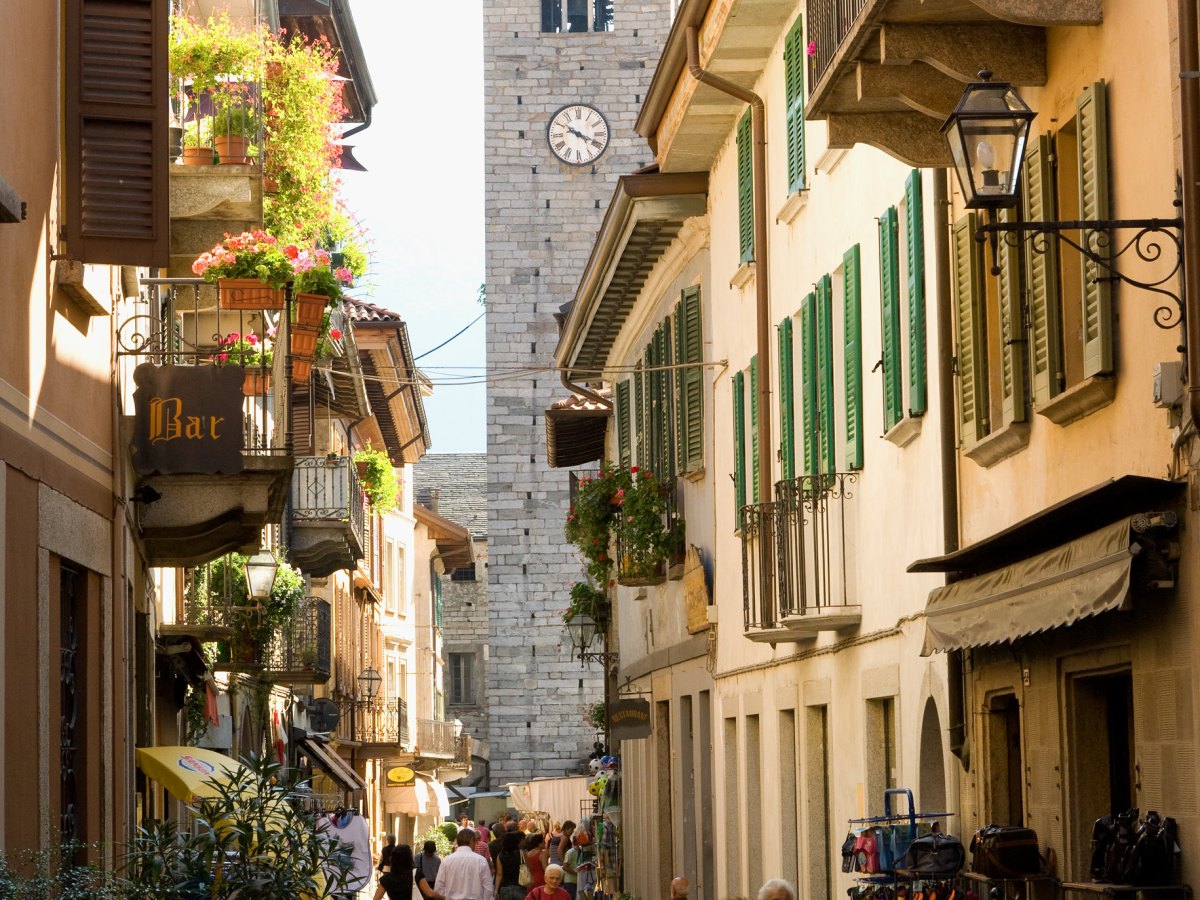
Via A. Giovanola, Cannobio, Italy
AUGUST 2008 – View along the Via A. Giovanola in Cannobio, Lago Maggiore, Italy, with the magnificent Collegiata di San Vittore in the back. Photo © Mark Zanzig/zanzig.com The story behind the image The Lago Maggiore is shared by two countries: Italy in the South and Switzerland in the North, so you essentially get the…
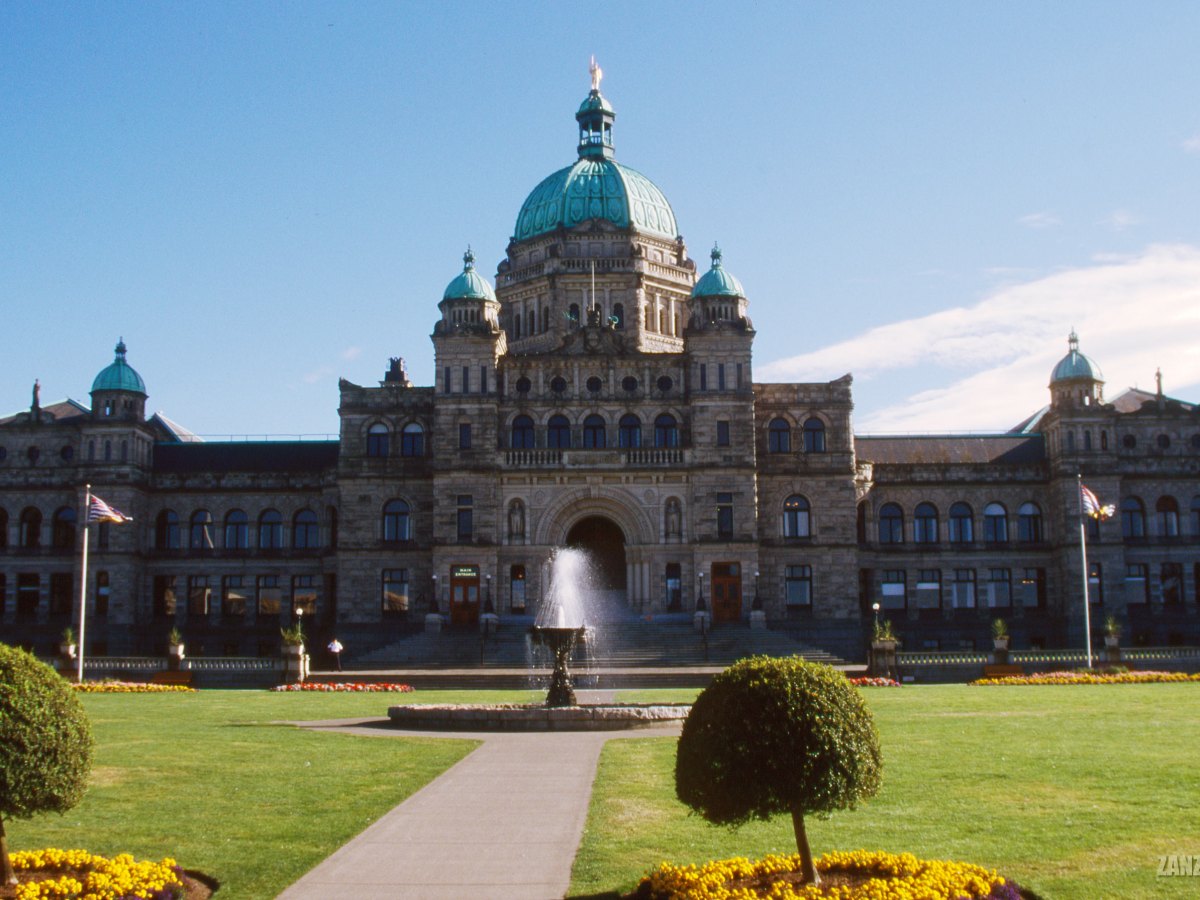
Parliament Buildings, Victoria, B.C. (III)
AUGUST 2002 – The Parliament Buildings in Victoria, British Columbia’s capital. Photo © Mark Zanzig/zanzig.com The story behind the image The travel guide mentioned the BC Parliament Buildings under ‘Architectural Wonders’ which is a bit of a stretch. Having said that, it certainly is beautiful, especially when experienced on a sunny summer day. The life-sized…
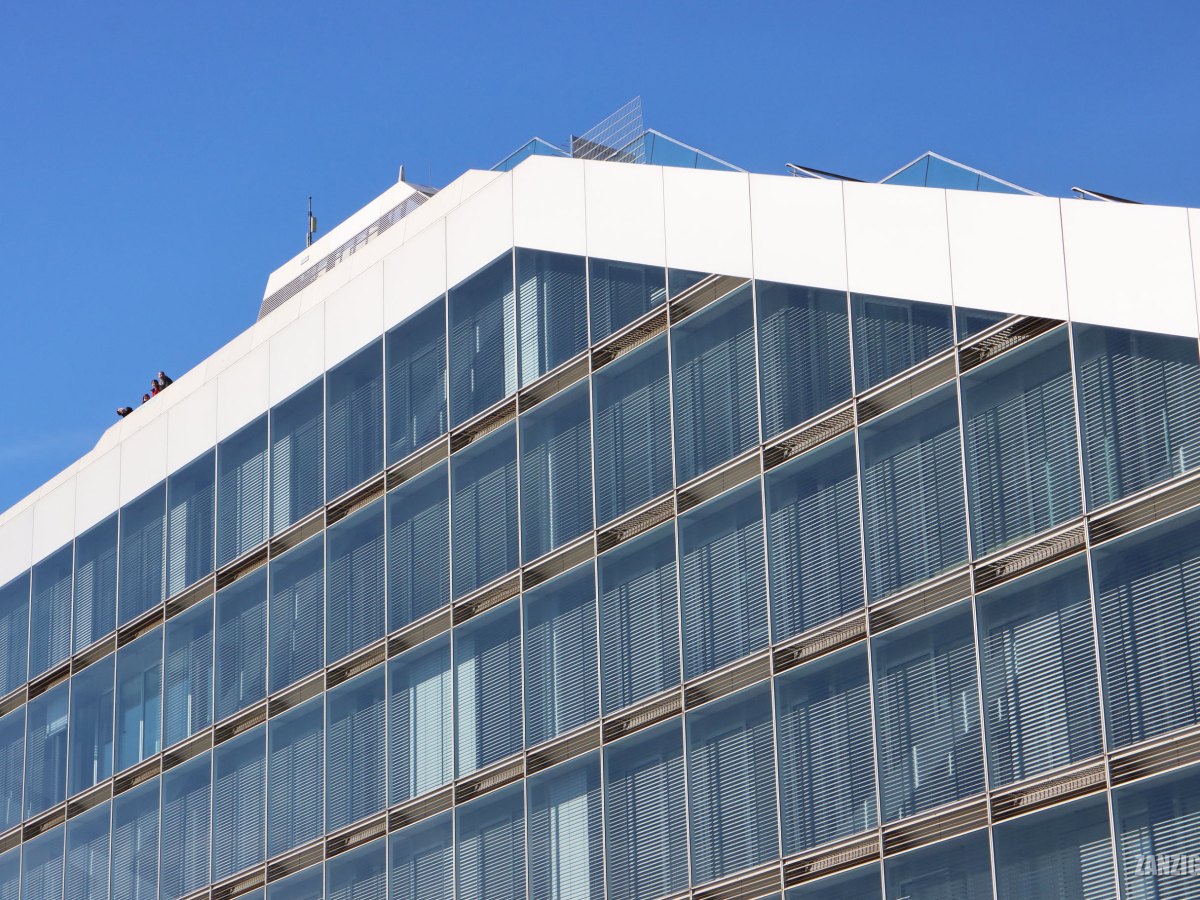
Dockland, Hamburg, Germany
April 2026 – The Dockland office building in Hamburg, Germany. Photo © Mark Zanzig/zanzig.com The story behind the image When we visited Hamburg recently, I had learned from my mistake and brought the EOS M6 for the trip on the Elbe river from the town center to Oevelgoenne (and back.) The weather was fantastic, and…
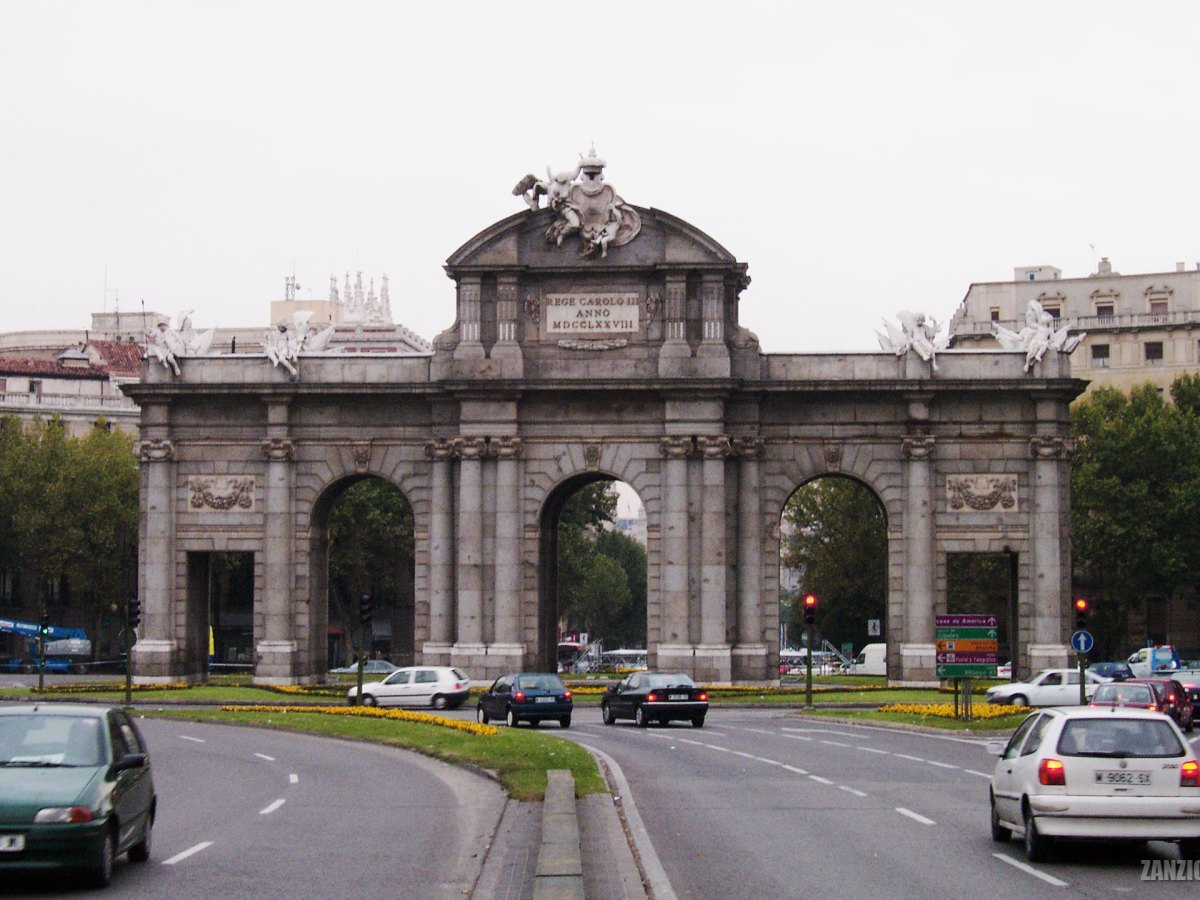
Puerta de Alcala, Madrid, Spain, 2001
SEPTEMBER 2001 – Car rush by on the Plaza de la Independencia with the Puerta de Alcala in Madrid, Spain. Photo © by Mark Zanzig/zanzig.com The story behind the image In the summer of 2001, I spent several weeks in Madrid, Spain. For one of those trips I brought my (then) brand new digital camera:…
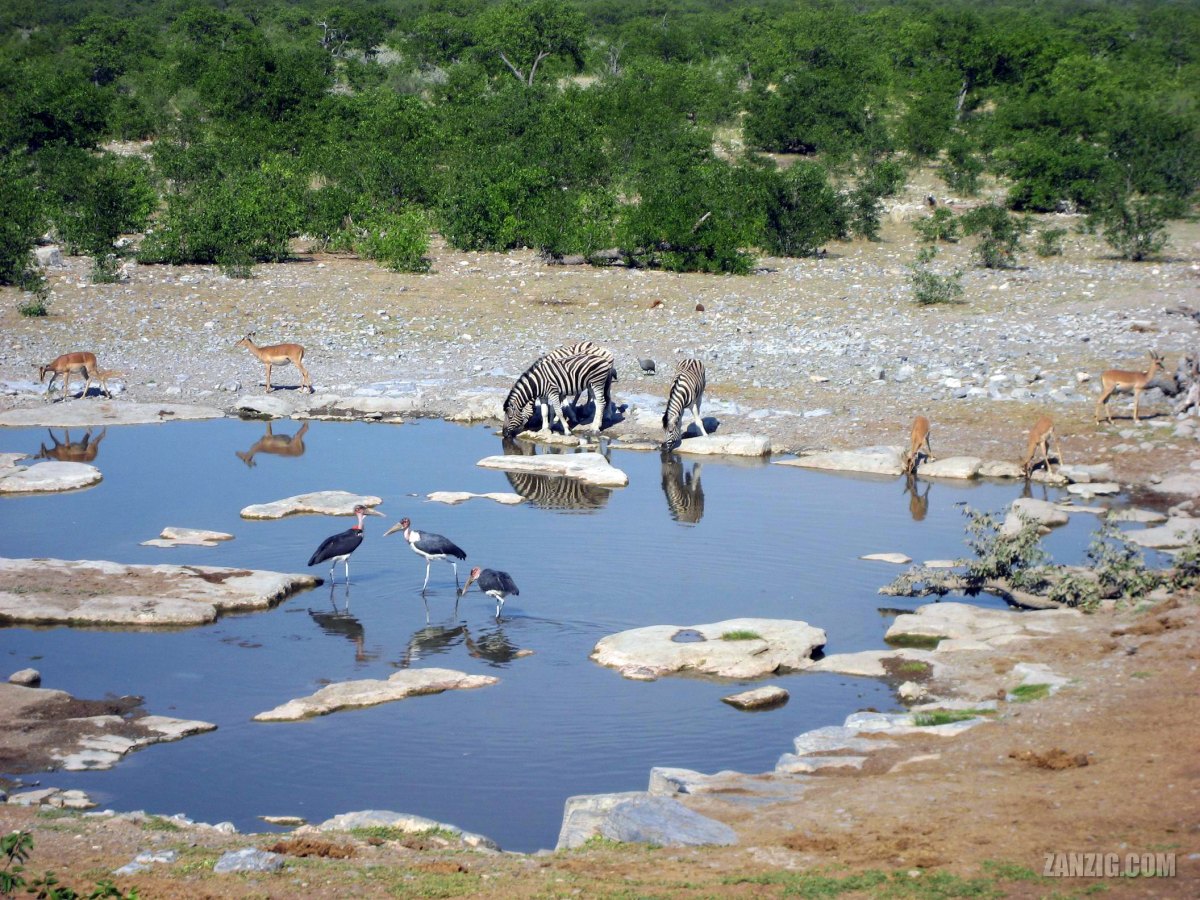
At The Waterhole, Namibia (III)
NOVEMBER 2006 – Zebras and impalas drink at the Moringa waterhole in Namibia’s Etosha National Park. Photo © by Mark Zanzig/zanzig.com The story behind the image In 2006 we headed for the second time to the south of Africa, this time for two weeks in Namibia. One of the major attractions of the country is…
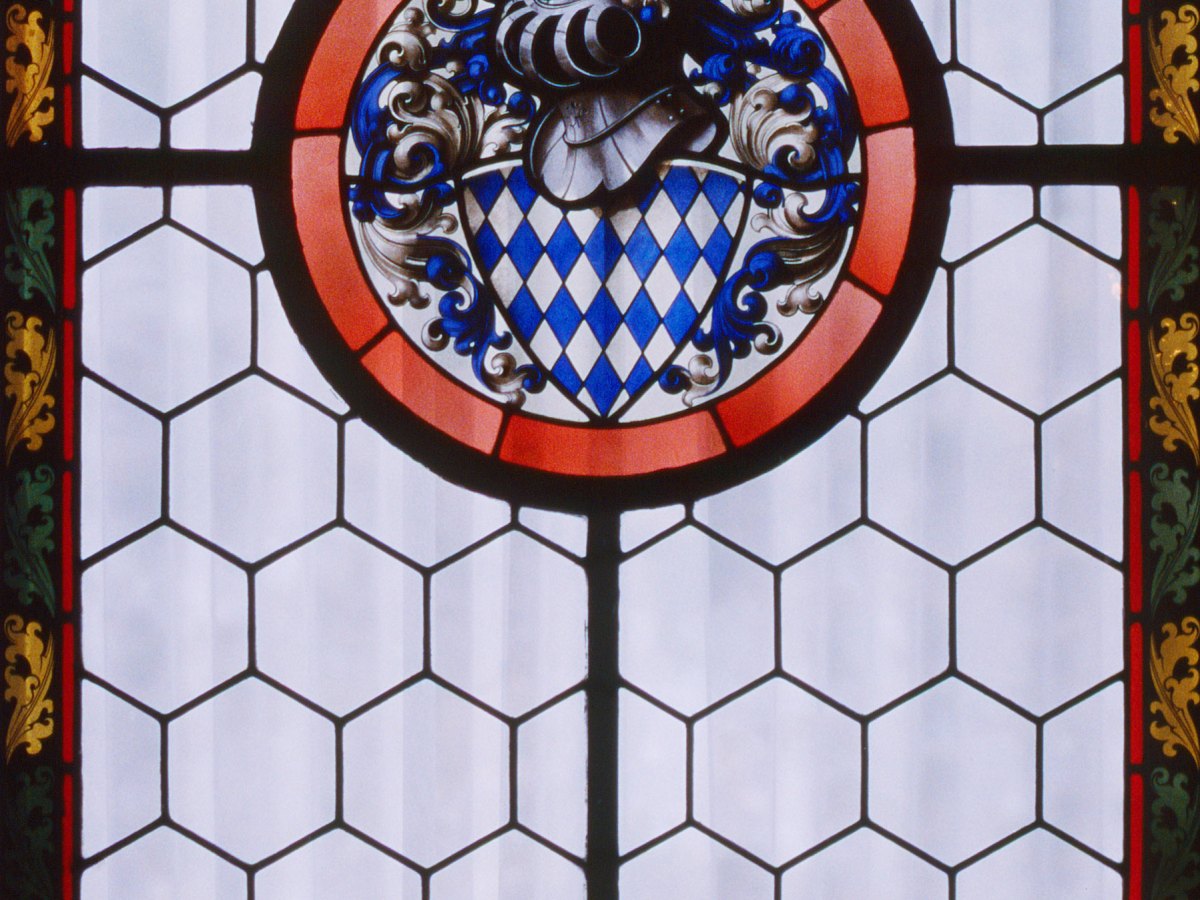
Stained Glass Window, Schloß Neuschwanstein, Schwangau, Bavaria
2002 – A stained glass window at Neuschwanstein Castle in Bavaria shows the royal Bavarian coat of arms with helmet and helmet crest. © Mark Zanzig/zanzig.com The story behind the image I already shared an image of Neuschwanstein Castle. Here is an exciting image from the inside. It shows a stained glass window at Neuschwanstein…
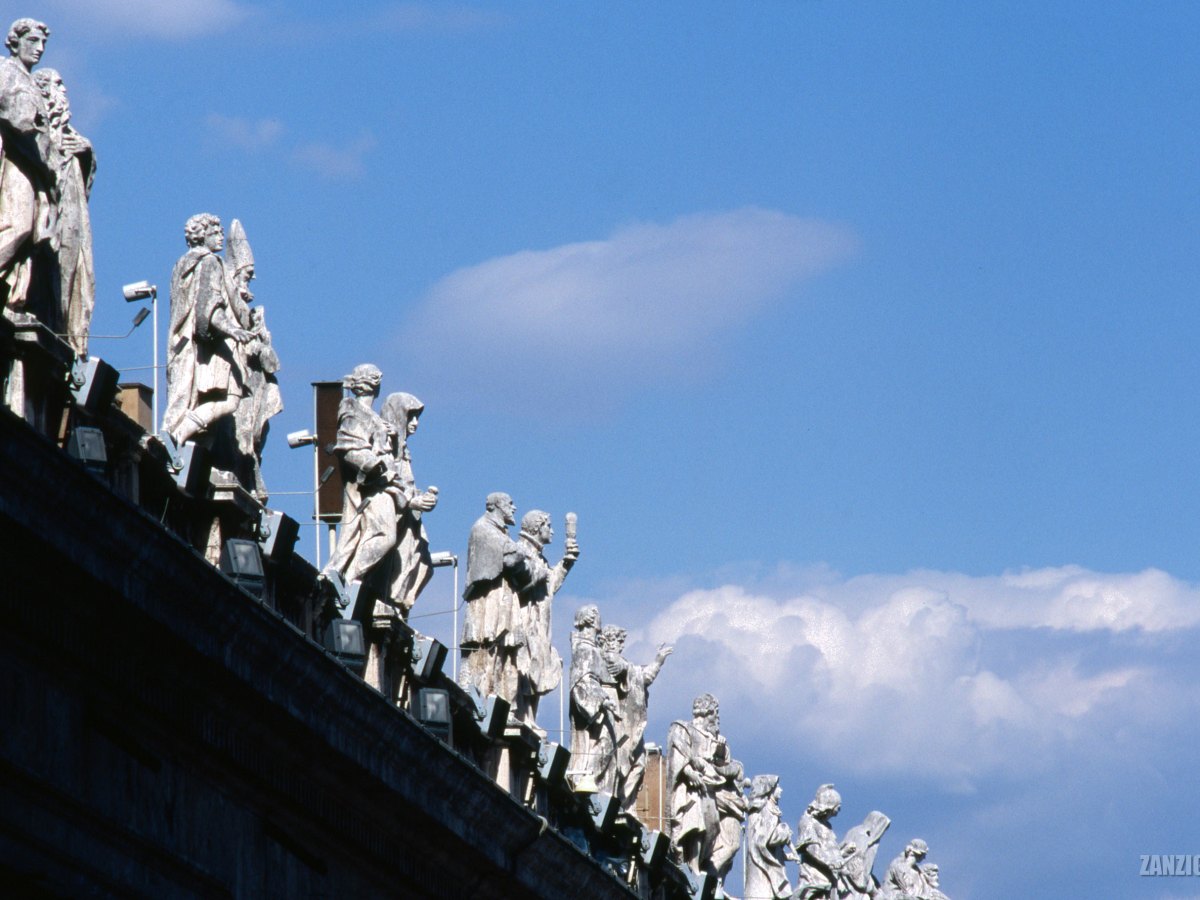
Statues, Piazza San Pietro, Rome, Italy
JUNE 2005 – Detailed view of some of the statues on top of the buildings surrounding the Piazza San Pietro in Rome, Italy. © Mark Zanzig/zanzig.com The story behind the image One of the places you are going to see – whether you plan for it or not – is The Vatican (aka Citta del…
Something went wrong. Please refresh the page and/or try again.
 Zanzig.com Photo Hub